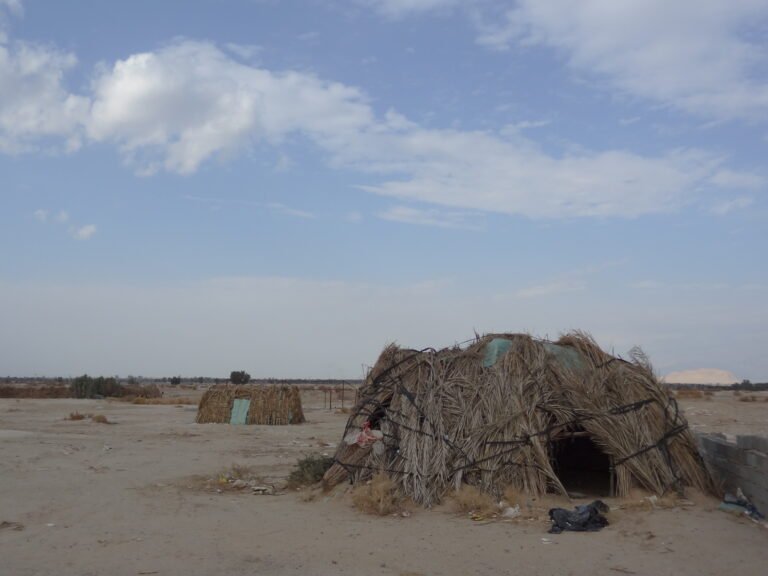
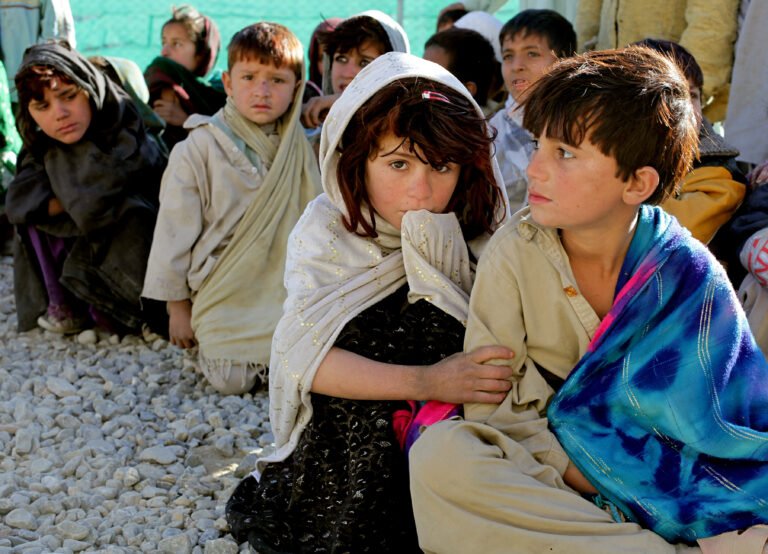
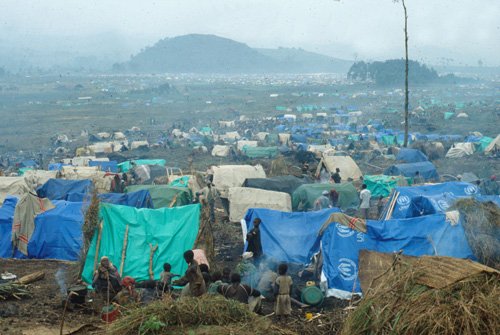
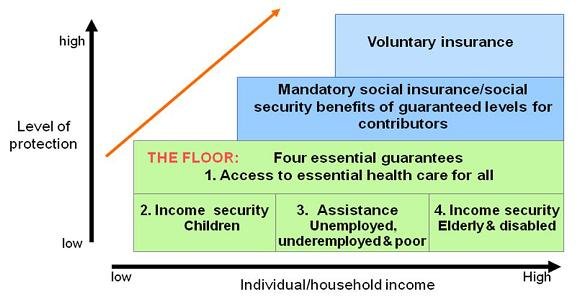
Social protection covers pensions, health care, unemployment benefits, disability support and cash transfers. It is one of the most effective tools for reducing poverty, and it reaches only a minority of the world’s people. The gap is not mainly a shortage of ideas. It is a shortage of financing and of the administrative systems that […]
By Cedar Compass Editorial Desk · World / SOURCE REPORT
Famine is rarely a surprise to the analysts who track food security. The data that predicts it — rainfall, harvests, market prices, nutrition surveys — is collected months in advance, and early-warning systems flag deterioration long before it becomes a catastrophe. Yet declarations of famine often come when people are already dying. The gap between […]
By Cedar Compass Editorial Desk · World / SOURCE REPORT
UNDP's Human Development Reports argue that income is a means, not an end. Health, education, distribution and environmental pressures shape whether development improves lives.
By Cedar Compass Editorial Desk · World / SOURCE REPORT
UN-Habitat treats urban resilience as a property of ordinary systems: infrastructure, housing, institutions and communities. Equity determines whether it is shared.
By Cedar Compass Editorial Desk · World / SOURCE REPORT
UN-Water's SDG 6 update tracks water and sanitation access. Reliability, safety, affordability and equity shape whether a connection is actually a service.
By Cedar Compass Editorial Desk · World / SOURCE REPORT
UNICEF's State of the World's Children covers health, learning, protection and poverty. Coverage, aggregation and missing voices limit what any single scorecard shows.
By Cedar Compass Editorial Desk · World / SOURCE REPORT
UNHCR's displacement data establishes scale and legal categories. Duration, conditions, host-community impact and individual circumstances sit outside the count.
 World / SOURCE REPORT