UNICEF’s State of the World’s Children is one of the longest-running reports on child well-being. It brings together evidence on health, learning, protection, poverty and participation, and connects global trends with policy choices that affect households. Its breadth is a strength, and it is also a reason to read it carefully: a report that covers so much cannot capture everything, and what it emphasises shapes what governments measure and act on.
What a global scorecard can do
A global report can establish trends, compare countries and draw attention to problems that are otherwise invisible. It can show that child mortality has fallen, that school enrolment has risen, that certain protections have expanded. These are genuine achievements, and they depend on the systematic collection of comparable data. Without such reporting, progress and regression would be matters of anecdote.
What averages hide
National averages conceal distribution. A country can improve its average child outcomes while the poorest children fall further behind. Disaggregation by wealth, geography, gender and disability reveals the gaps that matter, and those gaps are often the reason a country misses its targets. A scorecard read at the national level will consistently overstate how well the most vulnerable children are doing.
The many dimensions of child well-being
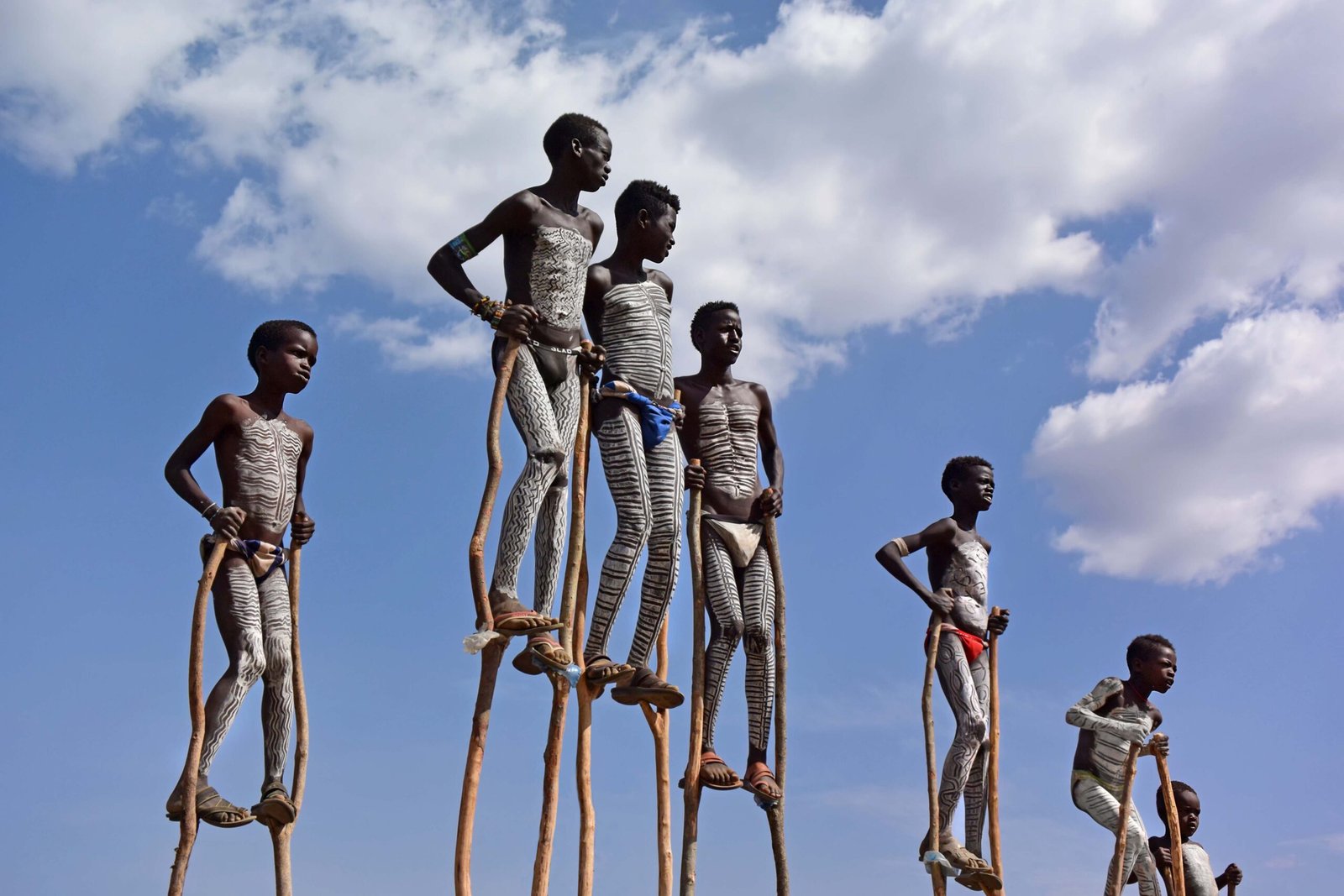
Child well-being spans several outcomes at once. It includes survival, health, nutrition, learning, safety from violence and exploitation, mental health, and the ability to participate. These dimensions interact: a malnourished child struggles to learn; a child in poverty is more exposed to violence; a child out of school is more vulnerable to exploitation. Reporting them separately can hide the compounding that happens in a single life, which is why integrated approaches matter.
Measurement and its limits
Some aspects of childhood are relatively easy to measure — births, deaths, enrolment — and others are not. Violence, mental health and child labour are under-reported, because they are hidden, stigmatised or illegal. What gets measured tends to become what gets funded, so the difficulty of measuring protection and well-being can translate into neglect. Acknowledging those gaps is part of using the report honestly.
The role of policy
The report consistently links outcomes to policy: cash transfers, universal health care, free education, parental leave, child protection systems. These are choices, not natural endowments, and countries at similar income levels can achieve very different results. This is one of the more hopeful findings: it means child well-being is not determined by wealth alone, and that deliberate policy can change it. It also means that poor outcomes are often a failure of political will rather than of resources.
Crisis and compounding risk
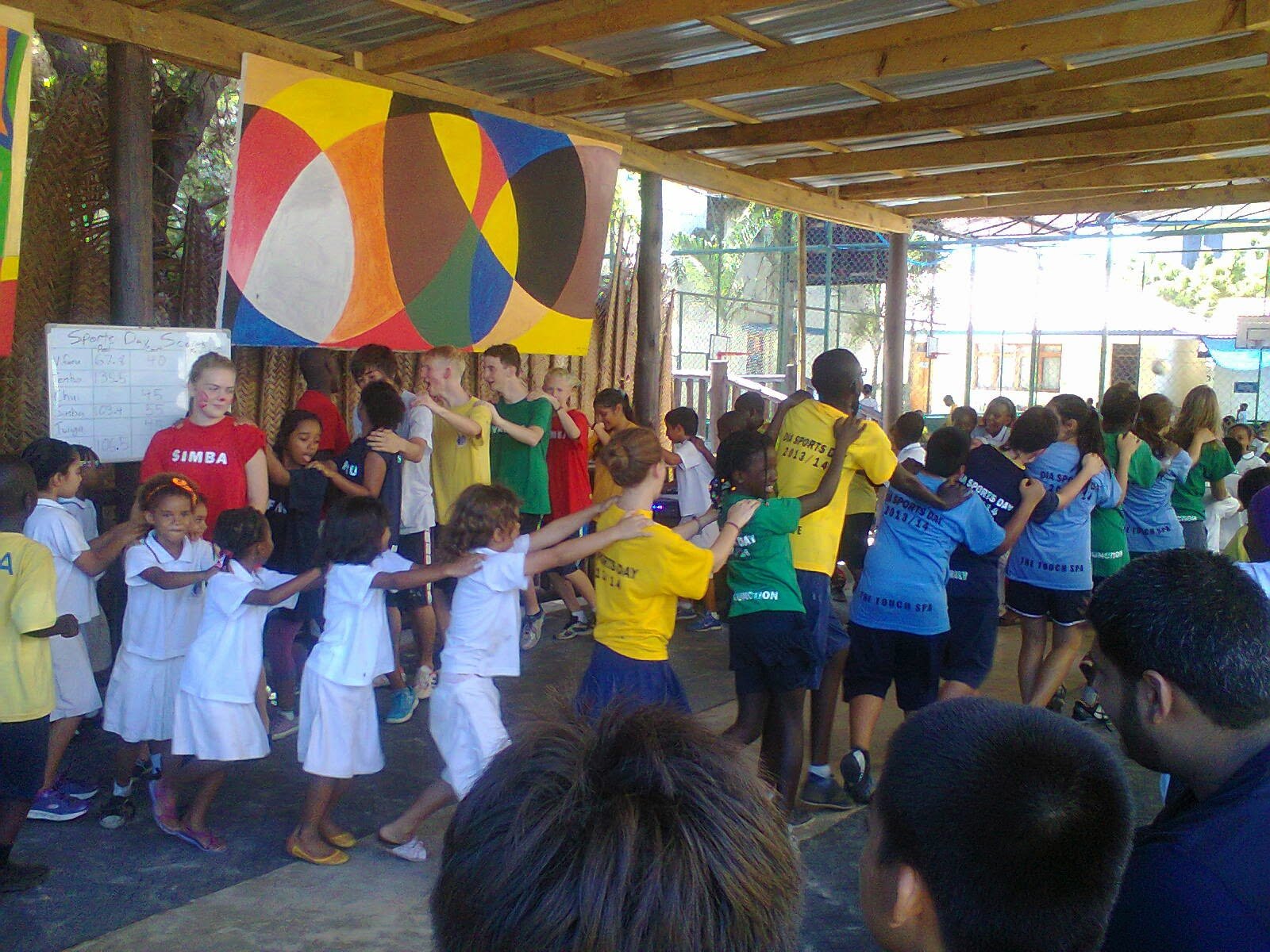
Children are disproportionately affected by conflict, displacement, climate shocks and economic crisis. These events do not affect all children equally: those already disadvantaged absorb the most harm, and the effects can last a lifetime through disrupted education and health. The report’s value in a crisis is to insist on measuring impact on children specifically, since aggregate humanitarian data can hide how badly they are affected.
Participation and children’s voices
Recent editions have emphasised children’s participation — the right to be heard in decisions that affect them. This is both a rights principle and a practical improvement, because children notice things that adult surveys miss. It is also difficult to do well, and tokenistic consultation can be worse than none. Meaningful participation requires safe, accessible channels and a willingness to act on what is said.
How to read a global scorecard
Read the trend, then look for the distribution behind it. Ask which children are not counted, which dimensions are measured weakly, and how the country compares with others at similar income. A scorecard is a map of the average; the work is in finding the children the average leaves out. That is where policy has the most to gain and the most to answer for.

Adolescence and the second decade
Much child-focused policy concentrates on early childhood and survival, which are undeniably important. The second decade of life — adolescence — is comparatively neglected, even though it is when many risks emerge: dropping out of school, early marriage, child labour, mental-health difficulties. Adolescents also become capable of participating in decisions about their own lives, which changes what good policy looks like. A scorecard that treats childhood as a single block misses the distinct challenges of this period, and the distinct opportunities to support young people as they move toward adulthood.
Early childhood and its long reach
Investment in the earliest years yields some of the highest returns in all of social policy, because development in that period shapes later health, learning and earning. Nutrition, stimulation, safety and responsive care in the first years have effects that persist into adulthood. This is why early-childhood programmes sit at the centre of child policy. It is also why the neglect of later childhood is a mistake rather than a choice: the two periods are connected, and gains made early can be lost if the school years and adolescence are not supported.
Sources
- UNICEF. The State of the World’s Children. unicef.org
- UNICEF. Data. data.unicef.org
Image: Staff Sgt. Andrew Smith (U.S Army Photographer) Exif info · Public domain · via Wikimedia Commons.