Museums hold objects that were acquired during periods when export rules were weak and colonial administrations moved material with little documentation. Claims for their return have grown, and institutions are responding in different ways. The debate is changing what museums understand their purpose to be. Return is not only about ownership. It raises questions about […]
By Cedar Compass Editorial Desk · Our approach
A little more context. A clearer perspective.
Read beyond the headline. Every source report links to its original source and distinguishes reported results from future plans.
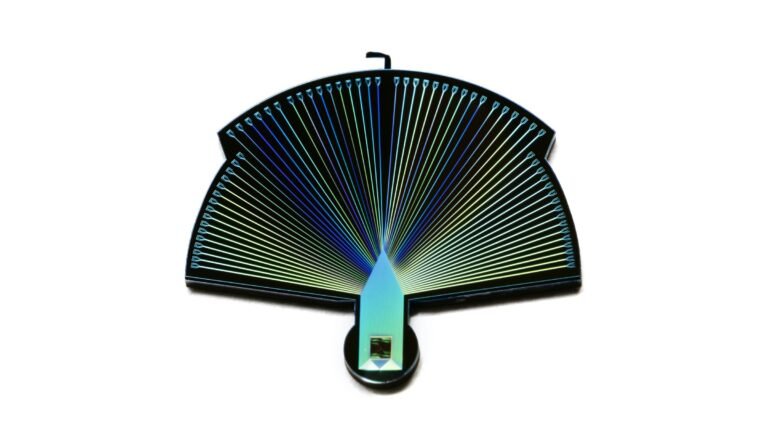
Quantum computing has a noise problem that is easy to state and hard to solve. The qubits at the heart of a quantum computer are fragile: any disturbance from heat, vibration or stray electromagnetic fields can corrupt the information they hold. Building a machine that can correct its own mistakes is the central engineering challenge, […]
By Cedar Compass Editorial Desk · Technology / SOURCE REPORT
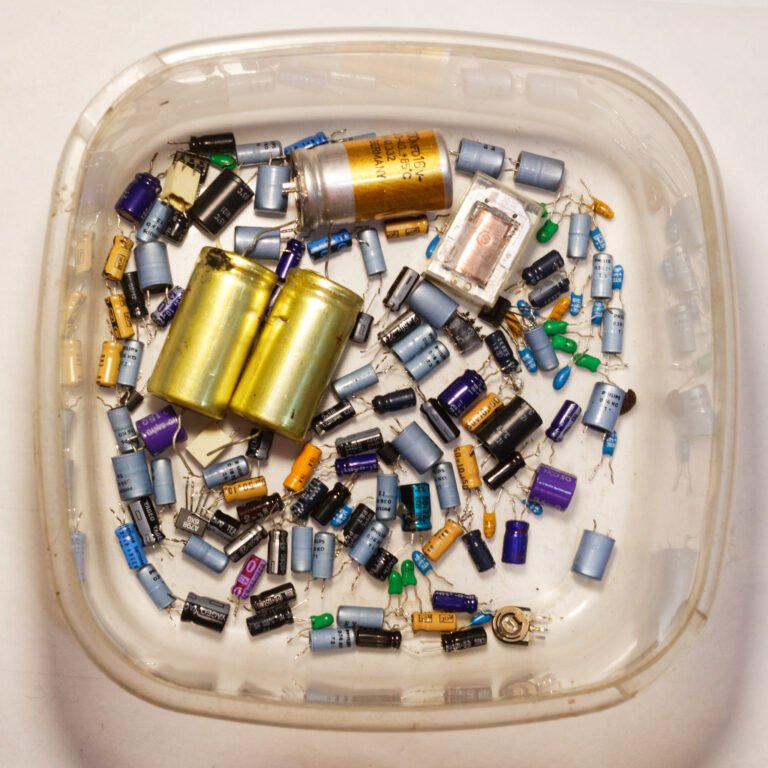
Every year the world buys more electronics and discards more of them. The Global E-waste Monitor, produced by UNITAR and ITU, estimates that around 62 million tonnes of e-waste were generated in 2022, and that only about a fifth of it was formally collected and recycled. The rest was incinerated, dumped, or processed informally. Those […]
Tourism has been the main source of income for many small island economies for decades. It brought jobs, investment and foreign currency, and it made those economies dependent on a single, volatile sector. The pandemic showed how quickly that dependence can become a vulnerability, and several governments are now asking what a more resilient economy […]
By Cedar Compass Editorial Desk · Business / SOURCE REPORT
Insurance works by spreading risk across many policyholders so that no single loss is ruinous. Climate change strains that model: when a hazard becomes more frequent, the losses stop being unusual and the arithmetic no longer holds. In several exposed regions, insurers have raised premiums, tightened terms or withdrawn entirely. When private insurance retreats, the […]
The ozone layer protects life on Earth from harmful ultraviolet radiation. In the 1980s, scientists found that it was thinning, and the cause was traced to industrial chemicals. Governments agreed to phase them out, and the layer is now on a path to recovery. It is one of the clearest successes of international environmental cooperation. […]
By Cedar Compass Editorial Desk · Science / SOURCE REPORT
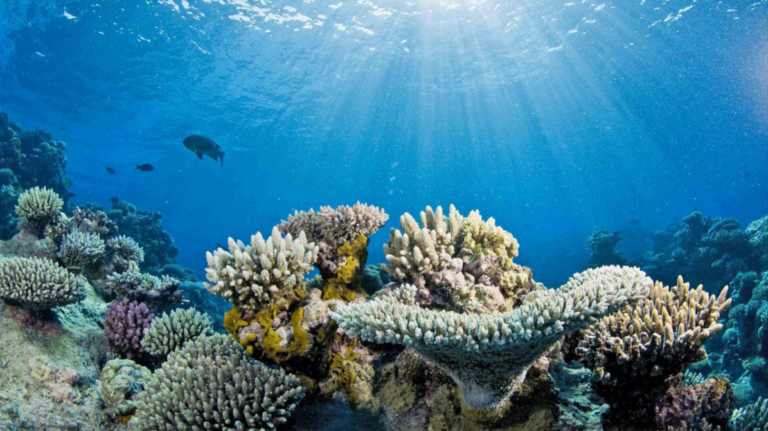
When carbon dioxide enters the atmosphere, a substantial share of it dissolves in the ocean. That absorption has slowed warming and it has changed the chemistry of seawater, making it more acidic. The process is called ocean acidification, and it is a consequence of emissions that receives far less attention than temperature. The change is […]
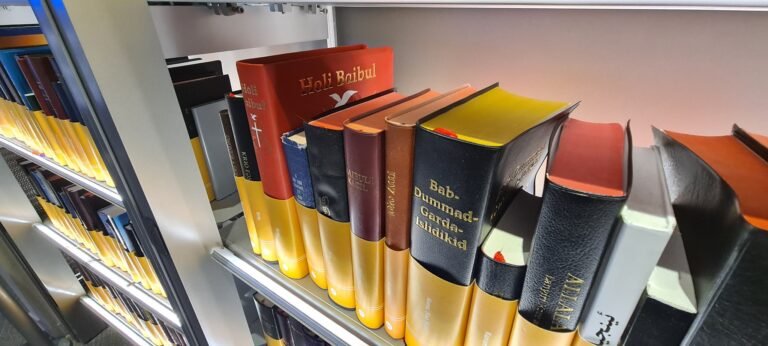
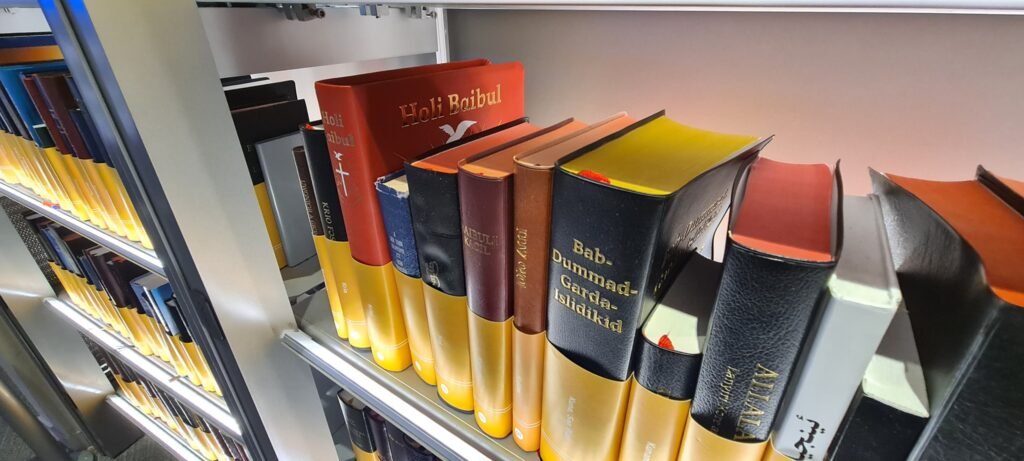
Museums hold objects that were acquired during periods when export rules were weak and colonial administrations moved material with little documentation. Claims for their return have grown, and institutions are responding in different ways. The debate is changing what museums understand their purpose to be. Return is not only about ownership. It raises questions about […]
By Cedar Compass Editorial Desk · Culture / SOURCE REPORT
Twenty years ago, painting a wall without permission was treated as damage. Today, many cities commission murals, fund festivals and use street art to attract visitors. The shift from vandalism to policy is a useful case study in how cultural value is assigned, and in what happens when the state embraces something that began by […]
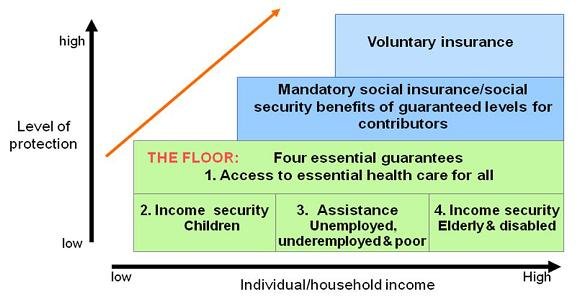
Social protection covers pensions, health care, unemployment benefits, disability support and cash transfers. It is one of the most effective tools for reducing poverty, and it reaches only a minority of the world’s people. The gap is not mainly a shortage of ideas. It is a shortage of financing and of the administrative systems that […]
By Cedar Compass Editorial Desk · World / SOURCE REPORT
Famine is rarely a surprise to the analysts who track food security. The data that predicts it — rainfall, harvests, market prices, nutrition surveys — is collected months in advance, and early-warning systems flag deterioration long before it becomes a catastrophe. Yet declarations of famine often come when people are already dying. The gap between […]
 Culture / SOURCE REPORT