Food security is usually discussed in terms of harvests, prices and trade. Beneath all of them lies soil, a thin layer of living material that takes centuries to form and can be lost in a few seasons. Degraded soil produces less, holds less water and releases carbon, which makes it a climate issue as well as an agricultural one.
What healthy soil does
Healthy soil is a mixture of minerals, organic matter, air, water and living organisms. It stores nutrients, holds water, supports root growth and hosts an enormous diversity of microbes and invertebrates. That biology is what makes soil fertile, and it is easily damaged by the wrong practices.
How soil degrades
Erosion by wind and water removes the most fertile layer. Monoculture and heavy tillage reduce organic matter. Salinisation follows poor irrigation. Compaction from machinery and overgrazing restricts roots and water. Each of these processes reduces productivity and is difficult and expensive to reverse.
Soil holds more carbon than the atmosphere and all vegetation combined. When it is disturbed, that carbon is released as carbon dioxide. Conversely, practices that build organic matter can remove carbon from the atmosphere, which is why soil is discussed as a carbon sink as well as an agricultural resource.
What improves soil
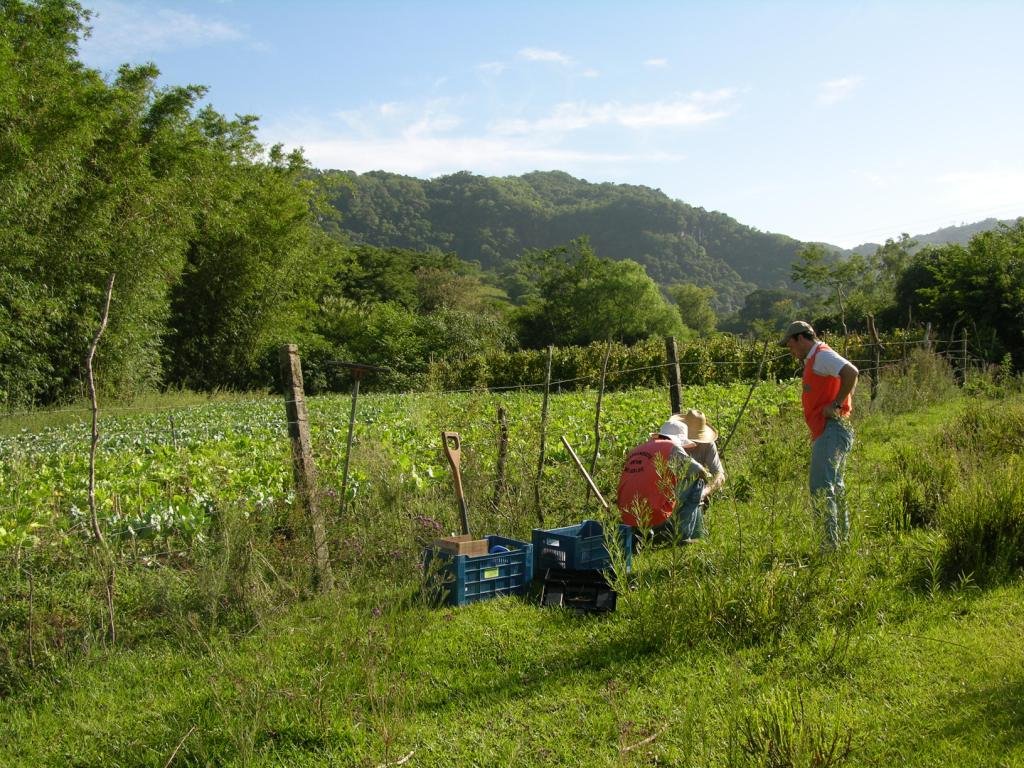
Reduced tillage, cover crops, crop rotation, agroforestry and managed grazing all tend to improve soil health. These practices often reduce short-term yields or require learning, which is why adoption is uneven. Support, extension services and secure land tenure all affect whether farmers can afford the transition.
Soil health is difficult to measure and monitor at scale. Indicators such as organic matter, structure and biology vary across fields and seasons, and laboratory tests are expensive. Without measurement, it is hard to reward improvement or detect decline, which weakens policy.
The tenure question
Farmers are more likely to invest in soil if they expect to benefit from it. Insecure tenure, short leases and sharecropping all reduce the incentive to invest in long-term fertility. Land policy is therefore part of soil policy, even though the two are usually discussed separately.
International assessments have found that a substantial share of the world’s soils is degraded to some degree, with the most severe damage in regions where food insecurity is also highest. The two problems reinforce each other, because degraded soil yields less and requires more input to produce the same output.
Signals to follow
The useful indicators are organic matter trends, erosion rates and the adoption of soil-building practices. Progress is slow and hard to see, which is one reason soil receives less attention than it deserves relative to its importance.
Agricultural subsidies often reward production volume rather than soil health, which can encourage practices that degrade land. Reorienting support toward soil-building measures is a recurring recommendation and a politically difficult one, because it changes who benefits. The design of subsidies is therefore central to soil policy.
How farmers learn
Adoption of new practices depends on demonstration, advice and peer learning. Extension services, which connect research to farms, have been cut in many countries. Where they survive, they are among the most cost-effective ways to spread soil-building techniques.
Soil degradation crosses borders through erosion, dust and trade in agricultural products. International initiatives aim to coordinate monitoring and share practices, and they depend on national action. The issue sits between agriculture, environment and climate policy, which is partly why it receives less attention than its importance warrants.
The role of land tenure
Farmers invest in soil when they expect to benefit from it. Where tenure is insecure, short or contested, the incentive to build fertility over years is weak. Land reform is politically difficult, and it is one of the more consequential levers available for soil health.
Consumers influence farming through what they buy, though the signal is weak and indirect. Demand for sustainably produced food can support better practices, and it is easily undermined by price competition. Certification schemes attempt to bridge the gap, with mixed results.
Soil is easy to take for granted because it is always underfoot. The evidence that a significant share of it is degrading, and that this affects both food and climate, makes it one of the more important and less discussed issues in agricultural policy.
The connection between soil, food and climate is one of the clearest examples of an issue that falls between policy silos. Agriculture ministries, environment agencies and climate negotiators each hold part of it, and none owns the whole, which is why coordination matters more than any single measure.
This report draws on Food and Agriculture Organization (FAO) and Intergovernmental Panel on Climate Change (IPCC).
Image: USDA, Herb Rees and Sylvie Lavoie / Agriculture and Agri-Food Canada · Public domain · via Wikimedia Commons.