Living heritage — the practices, expressions, knowledge and skills that communities recognise as part of their culture — is sustained by the people who practise it. UNESCO’s 2003 Convention describes safeguarding as identification, documentation, transmission and support, and places communities at the centre. That raises a question the convention takes seriously: what happens when safeguarding is done without the consent of the community it is meant to serve?
What makes heritage “living”
Living heritage is ongoing, rather than a monument or an object. It changes as the people who practise it adapt it, and it survives because it remains meaningful to them. This is why safeguarding cannot mean freezing a practice in a museum case. The moment it stops belonging to a living community and becomes a display, it has been preserved as a record and lost as a practice.
Why consent matters
Communities have good reasons to be cautious about outside interest. Documentation can expose sacred or sensitive knowledge, invite commercial exploitation, or fix a fluid practice into a single authorised version. Tourism and media can turn a ritual into a performance for outsiders, stripping its meaning. Consent is the mechanism by which a community retains control over what is shared and what is not.
Free, prior and informed consent
The standard invoked in international practice is free, prior and informed consent. Each word matters. Free means without coercion. Prior means before the activity, not after. Informed means the community understands what will be documented, who will have access and what might follow. Consent is also ongoing: a community can withdraw it. Applying this standard is more demanding than obtaining a signature on a form, and that is the point.
The risk of commodification
When a practice becomes valuable to outsiders, pressure grows to package it for sale. Craft traditions can be mass-produced elsewhere, music sampled without permission, designs copied onto merchandise. Some commercialisation supports livelihoods and is welcome; some extracts value while leaving the community with nothing. The difference usually depends on who holds rights and who captures the revenue. Safeguarding without attention to ownership can accelerate the very loss it aims to prevent.
Transmission, not just documentation
The convention emphasises transmission because documentation alone does not keep a practice alive. A recording of a song does not teach anyone to sing it; a manual does not replace an apprenticeship. Transmission happens through families, schools, workshops and everyday use. Supporting it means funding the conditions in which knowledge passes between generations — time, spaces, mentors and the economic security that allows people to keep practising.
Who is a legitimate bearer
Communities are not monolithic. Within any group there are disagreements about what should be shared, who should speak for the community and how traditions should adapt. Treating “the community” as a single voice can empower whoever is easiest for outsiders to deal with, often at the expense of others. Good practice recognises internal diversity and avoids appointing self-selected representatives as the sole authority.
Digital documentation and its dilemmas
Digital tools make documentation cheaper and more accessible, which is a benefit and a hazard. A well-made digital archive can support language and practice transmission; a poorly governed one can leak sensitive material or be scraped into commercial datasets. Communities increasingly want control over their own archives, including the right to restrict access. Supporting that control, rather than treating openness as always good, is part of respecting consent.
What good safeguarding looks like
It starts with the community, not the institution. It obtains free, prior and informed consent, and treats it as revocable. It supports transmission rather than only documentation. It addresses ownership and benefit-sharing, not just visibility. And it accepts that some things should not be shared at all. None of this is easy to fund or to measure, which is why it is often skipped in favour of more visible projects.
Tourism and the performance trap
When a ritual or craft becomes an attraction, there is pressure to perform it on a schedule for paying visitors. This can generate income for practitioners and it can hollow out the practice, turning a meaningful occasion into a show repeated several times a day. The outcome depends on who controls the terms. Where communities decide what is shown, to whom and when, tourism can fund transmission. Where tour operators and outside agencies set the terms, the practice may survive as a performance while ceasing to function as a living tradition. Consent is again the hinge.
Archives and community control
As documentation moves into digital archives, the question of control becomes sharper. Communities increasingly want archives that they govern, with the ability to restrict access to sensitive material and to decide who may use recordings of elders. This runs against the instinct of many institutions, for which open access is the default good. In the heritage context, the default should be the community’s wishes, because the material is theirs. Supporting community-controlled archives, including their technical and financial sustainability, is one of the more concrete ways to put consent into practice.
Sources
- UNESCO. Convention for the Safeguarding of the Intangible Cultural Heritage (2003). ich.unesco.org
- UNESCO. Intangible Cultural Heritage. ich.unesco.org
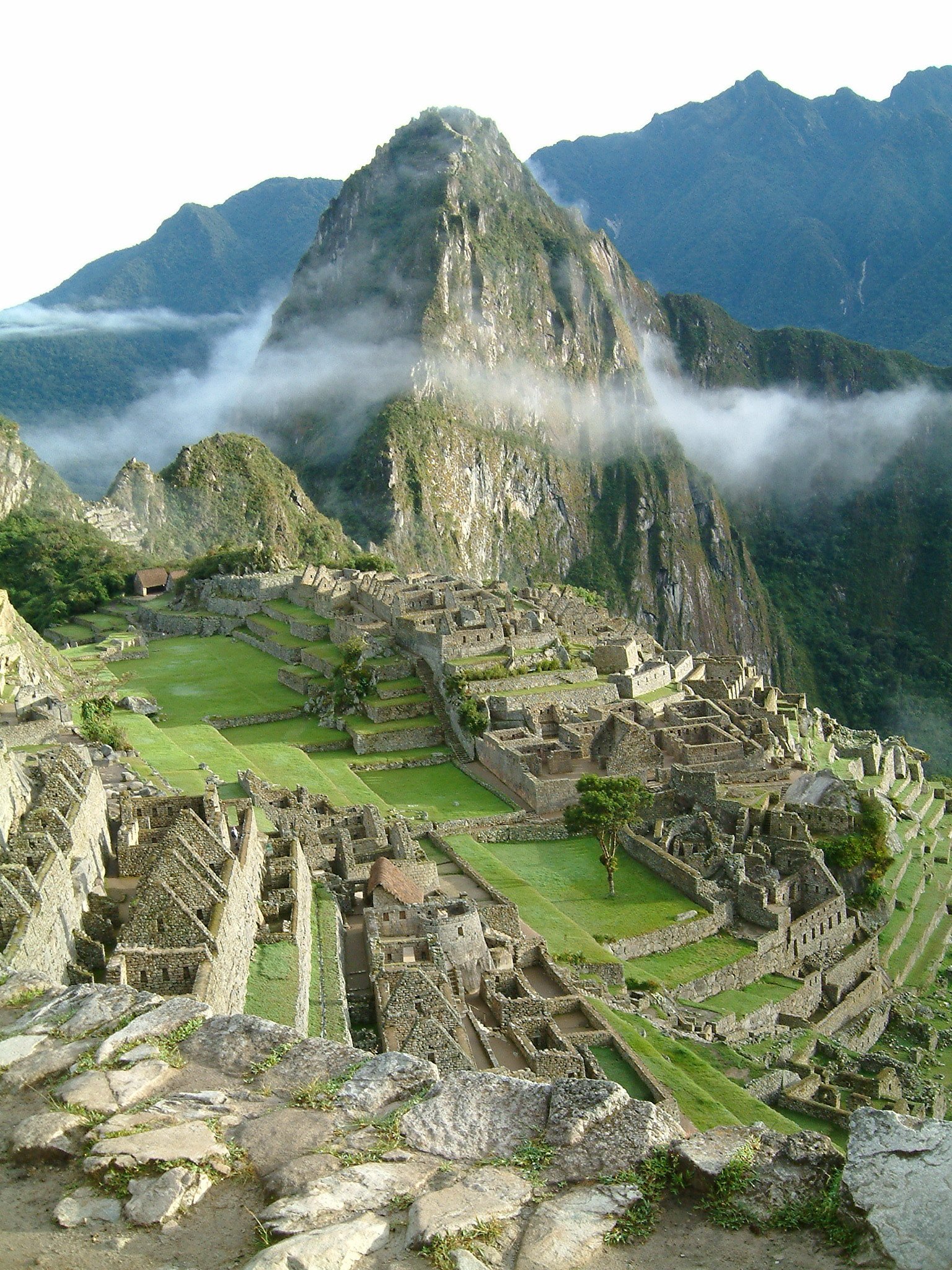
Image: Allard Schmidt (The Netherlands) · Public domain · via Wikimedia Commons.