Twenty years ago, painting a wall without permission was treated as damage. Today, many cities commission murals, fund festivals and use street art to attract visitors. The shift from vandalism to policy is a useful case study in how cultural value is assigned, and in what happens when the state embraces something that began by rejecting it.
How the change happened
Street art grew from graffiti and hip-hop culture into a global practice with galleries, collectors and festivals. As some artists gained recognition, cities began to see murals as an asset. The shift was gradual and uneven, driven by the art market and by municipal interest in regeneration.
Why cities commission it
Murals can revitalise a neglected area, attract tourism and signal that a neighbourhood is changing. They are relatively cheap compared with new buildings, and they provide visible results. Those advantages make them attractive to officials looking for impact within a political cycle.
The same visibility that makes murals attractive can accelerate gentrification, raising rents and displacing the residents and artists who made an area interesting. Cities that commission art without addressing housing can find that they have helped price out the community the art was meant to celebrate.
The tension with illegality
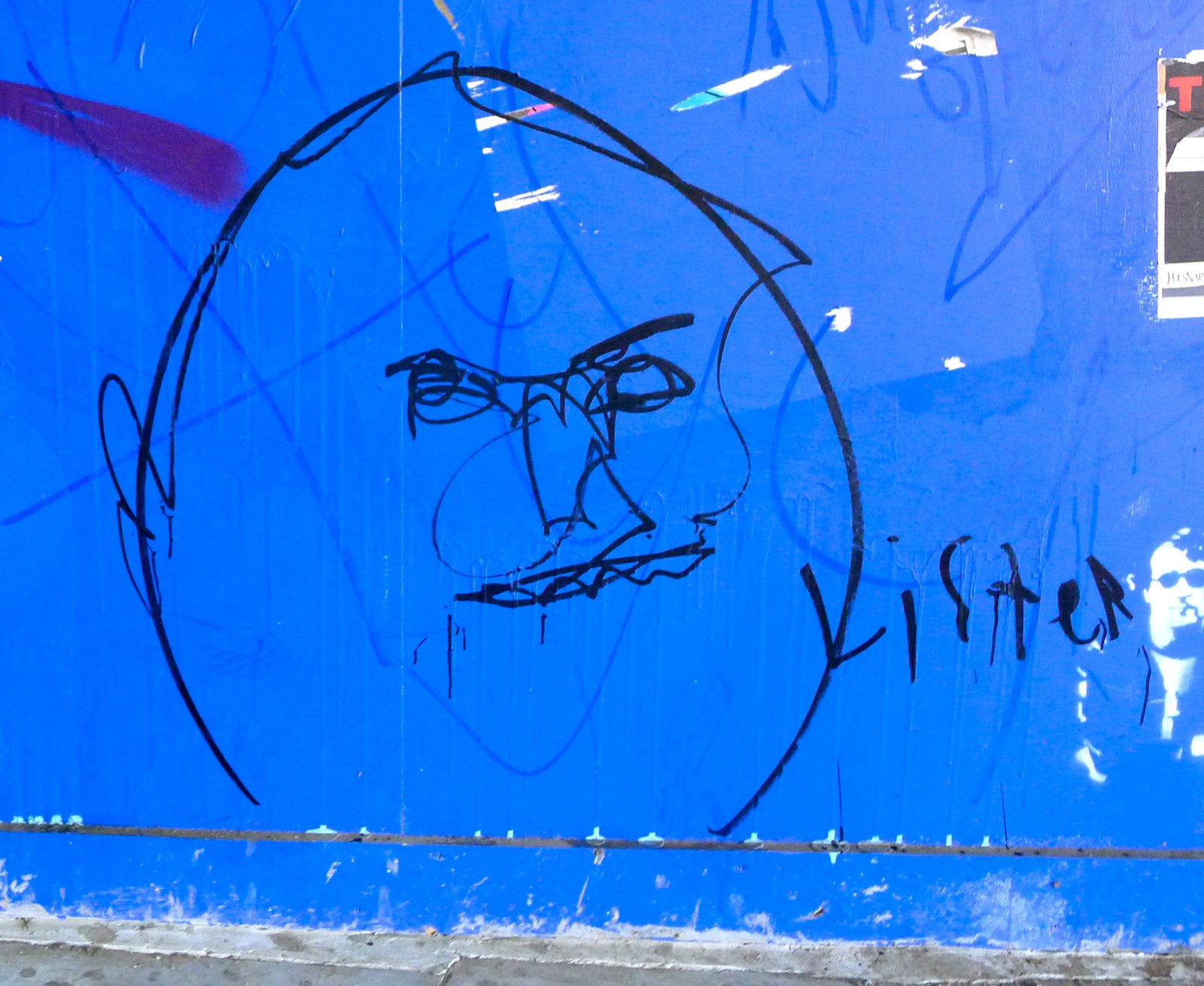
Street art’s energy came partly from its illegality and its refusal of permission. When cities commission work, they select, approve and sometimes censor. Some artists welcome the funding and recognition; others see the practice being tamed. Both responses are understandable, and the tension is unresolved.
Commissioning tends to favour artists with reputations, which can exclude local practitioners. Public walls are finite, and decisions about who uses them reflect power. Transparent processes and dedicated space for local artists are ways of spreading access, and they are not always prioritised.
The conservation problem
Murals are exposed to weather and to changing tastes. They fade, are painted over or are demolished with the buildings they adorn. Preserving them is difficult, and some artists accept impermanence as part of the form. Documentation is often the only way the work survives.
Programmes that work tend to involve local artists, secure space, pay fairly and connect to wider plans for the area rather than treating art as decoration. They also accept that not everyone will like the result. The best outcomes come from treating street art as cultural practice rather than as a tool for property values.
The economics of murals
Murals can raise the profile of a street or a district, and property owners benefit from the attention. The artists who create the work usually capture little of that increase. Some cities have begun to address this through fees and contracts, and the arrangements remain uneven.
Street art festivals have become a common way to commission work, attract visitors and manage the process. They concentrate activity in a short period and create a market for artists. They also tend to favour those who can travel and work to a deadline, which shapes who participates.
What artists say
Artists are divided about the move into public policy. Some value the funding and the audience; others worry that official approval strips the practice of its edge. The disagreement is not resolvable, because it reflects different views about what street art is for, and it is part of what keeps the form alive.
Because murals are impermanent, documentation is often the only record of a work. Photographers and archives preserve images, and the artist’s intent is not always captured. For a form that values the physical experience, the reliance on photography is an uneasy compromise.
What cities should ask
Before commissioning art, a city should ask who benefits from the change, whether local artists are involved, how the work will be maintained and what happens when the building is sold. Those questions are unglamorous, and they determine whether a mural programme contributes to a neighbourhood or simply decorates its transition.
Street art has not been tamed, and it has been partly absorbed. Both are true. The interesting question for cities is not whether to support it, but how to do so without stripping away what made it worth supporting in the first place.
Whether street art is better off inside the system is a question each artist answers for themselves. What cities can control is whether their programmes are fair, transparent and connected to the communities where the work appears, and that is a reasonable standard to hold them to.
The wider lesson is that cultural forms change when institutions take an interest in them, and that the change is neither wholly good nor wholly bad. Street art is one example, and it will not be the last.
This report draws on UNESCO and UN-Habitat.
Image: Edwin Boyd Johnson · Public domain · via Wikimedia Commons.