Every year the world buys more electronics and discards more of them. The Global E-waste Monitor, produced by UNITAR and ITU, estimates that around 62 million tonnes of e-waste were generated in 2022, and that only about a fifth of it was formally collected and recycled. The rest was incinerated, dumped, or processed informally. Those numbers describe a system that is growing faster than the infrastructure meant to handle it, and the consequences fall hardest on the places that receive what wealthier countries discard.
What counts as e-waste
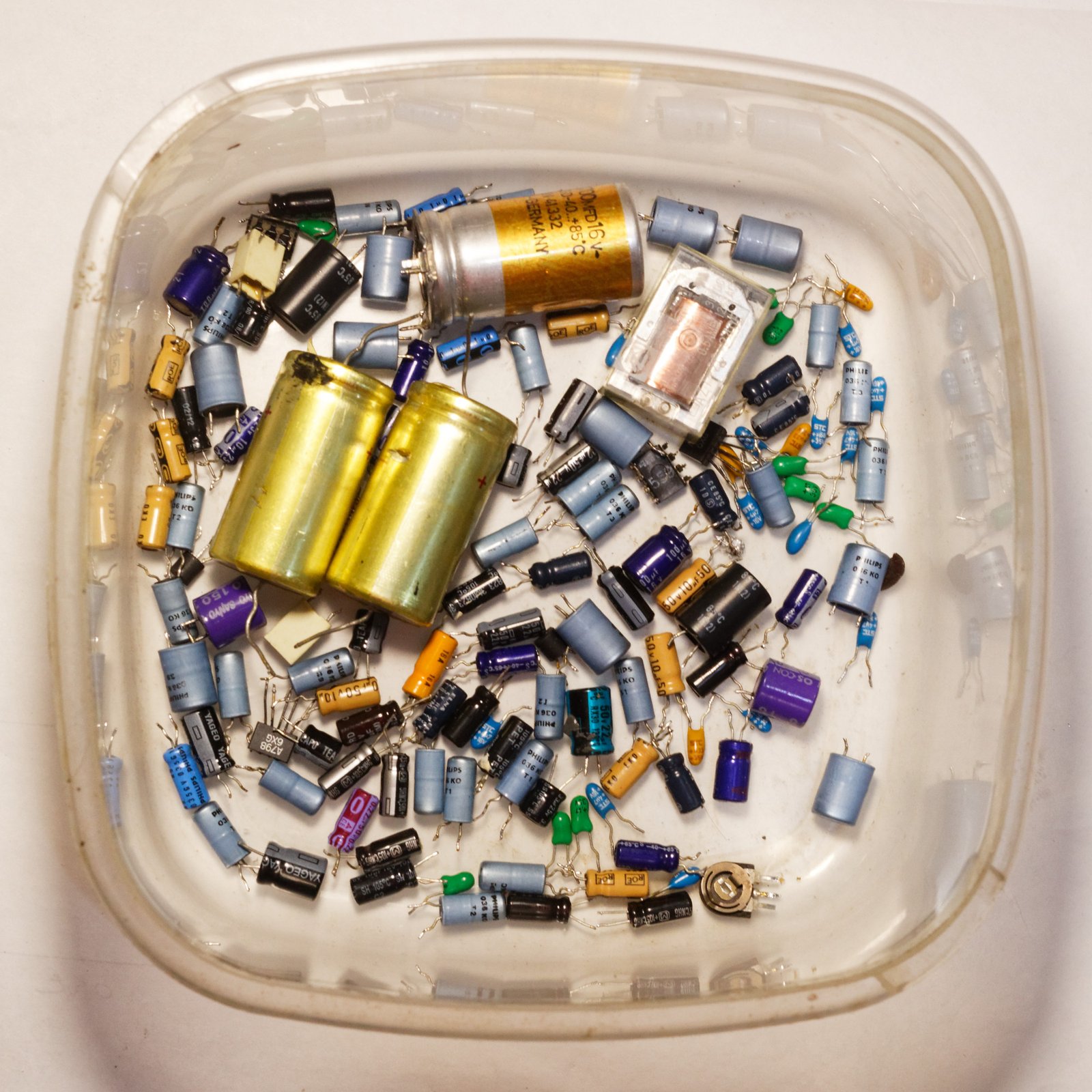
E-waste is anything with a plug, a battery or a circuit that has reached the end of its useful life: phones, laptops, televisions, fridges, cables, solar panels. The category is broad, and its composition is shifting. As large appliances become more durable and are traded second-hand, the fastest-growing share is small equipment — the devices people replace most often and store in drawers rather than take to a collection point.
Why so little is recycled
Formal recycling is expensive and the economics are unfavourable. Collecting scattered devices, transporting them and extracting materials safely costs more than the recovered metals are usually worth, so recycling depends on regulation, subsidies or producer responsibility. Where those are absent, the incentive is to dump or to sell to informal processors who strip the valuable parts and discard the rest. That is why the formal collection rate remains so low even as the volume rises.
The informal recycling economy
In many countries, e-waste is processed informally by workers who recover copper, gold and other metals using acid baths, open burning and manual dismantling. This sustains livelihoods and exposes workers and their communities to toxic substances: lead, mercury, cadmium and brominated flame retardants. The harm falls on people with little power to refuse the work. Improving conditions means formalising the sector, not simply banning it, because a ban that removes income without providing alternatives tends to push the activity further underground.
The materials at stake
Discarded electronics contain both hazards and value. There are metals worth recovering — copper, gold, silver, aluminium — and critical materials such as cobalt and rare earths whose extraction carries its own environmental and social costs. Urban mining, recovering these materials from waste rather than digging them from the ground, is often less damaging than primary extraction, and it reduces dependence on concentrated supply chains. The failure to recycle is therefore also a failure to use resources already above ground.
Why design matters
Much e-waste is created by design choices. Devices that are glued shut, that use proprietary batteries, or that cannot be repaired or updated have a shorter life and become waste sooner. Right-to-repair rules, standardised chargers, modular designs and longer software support all reduce the flow. The policy debate is often framed as consumer choice, but the choices are largely set by manufacturers before a device ever reaches a buyer.
The export question
Rich countries generate far more e-waste per person than poor ones, and a portion of it is exported, sometimes legally as second-hand goods and sometimes illegally as mixed scrap. The Basel Convention restricts the movement of hazardous waste, and its amendments have tightened the rules, but enforcement is difficult. A shipment labelled “used electronics” may be functional, repairable, or simply waste, and customs officers rarely have the means to tell the difference. The result is that the environmental cost of consumption is partly externalised to countries with weaker regulation.
What better policy looks like
Several measures recur in countries that recycle more. Extended producer responsibility makes manufacturers pay for collection and recycling, which internalises the cost. Deposit-return schemes and convenient collection points raise return rates. Repair-friendly design rules and mandatory repairability information extend product life. Public procurement can create demand for recycled materials. None of these is sufficient alone, and together they address the different points at which waste is created and lost.
What individuals can do, and why it is not enough
Households can repair rather than replace, use certified recyclers, and avoid hoarding devices. These choices matter and they are constrained by design, price and the availability of services. Treating e-waste as a matter of personal responsibility lets manufacturers and regulators off the hook. The volume is driven by production and replacement cycles, and that is where the largest levers sit.
Right to repair in practice
Repair rules are only as strong as the parts and information available. A law that requires manufacturers to supply spare parts and repair manuals makes independent repair viable; one that only guarantees the right in principle leaves it unusable. Several jurisdictions have moved in this direction, requiring access to parts, tools and software for a defined period. The effect is to extend product life, which reduces waste at the source rather than managing it after the fact. For consumers, the practical result is that a broken device becomes a repair job instead of a purchase, and for the waste stream it means fewer discarded units arriving at collection points.
References
- UNITAR and ITU. Global E-waste Monitor. ewastemonitor.info
- Basel Convention. basel.int
Image: Retired electrician · CC0 · via Wikimedia Commons.