A trade outlook is a structured way of thinking rather than a prediction. It is a structured way of describing what is known, what is assumed, and what could change. The WTO’s reporting examines how economies are linked through flows of goods and services, and how policy, logistics, technology and geopolitical risk can affect those flows. Its analysis places current figures alongside assumptions and scenario risks. For a business, that framing is more useful than any single forecast number, because it shows where the plan is fragile.
What an outlook is for
The value of an outlook is not the headline growth figure. It is the set of relationships it makes explicit: which markets depend on which routes, which inputs cross which borders, and which assumptions would have to hold for the projection to be right. Read that way, an outlook becomes a checklist of vulnerabilities rather than a promise about next year.
Start with your exposure, not the global number
A global trade figure describes an average that no individual business experiences. The practical first step is to map your own exposure: which suppliers, customers and logistics routes matter most, and how concentrated each one is. A firm with a single overseas supplier and one shipping lane has a very different risk profile from one with diversified sourcing, even if both read the same outlook.
Separate the layers of uncertainty
Trade risk usually arrives through several distinct channels. Policy covers tariffs, export controls and sanctions. Logistics covers route disruption, port congestion and freight rates. Demand covers the spending decisions of customers in different markets. Currency and finance covers exchange rates and the cost of trade credit. Technology and standards covers rules on data, products and compliance. An outlook is most useful when it helps you see which of these channels your business is actually exposed to.
Because the future is uncertain, the disciplined response is to plan against a small number of scenarios rather than a single number. Ask what happens to your margins if freight rates double, if a key market imposes a tariff, or if a supplier’s region becomes inaccessible. The goal is not to predict which scenario occurs but to know in advance what you would do in each. Firms that prepare options before a shock tend to recover faster than those that improvise after one.
The signals worth tracking
Rather than refreshing a growth forecast daily, track leading indicators tied to your exposure: freight-rate indices on your routes, inventory-to-sales ratios, new export orders, and policy announcements in your key markets. These move before the aggregate numbers and are more actionable.
What an outlook cannot do
No outlook can tell you what a specific government will decide next quarter, or when a route will reopen. What it can do is give you a defensible way to reason about those possibilities, and a vocabulary for discussing them with suppliers and lenders. That is a modest but genuine benefit — and it is why the framing matters more than the forecast.
Suppose a manufacturer sources components from one region and sells into two others. A trade outlook that flags rising protectionism is abstract until mapped onto that exposure. Which of the two markets could impose a tariff? What share of input costs comes from the single region? How much inventory could absorb a delay? The exercise turns a general warning into specific questions, and those questions point to specific hedges: qualifying a second supplier, holding a little more stock, or pricing contracts with a currency or freight clause.
Building flexibility into contracts
Much trade risk is negotiated before it materialises, in the terms of contracts. Clauses on force majeure, freight-cost sharing, delivery windows and currency can shift who bears a shock. Reviewing those terms in calm periods is cheaper than renegotiating them during a disruption. It is unglamorous legal work, but it is where a great deal of practical resilience is actually created.
Why outlooks get revised
Forecasts change, and that is normal. When a major economy shifts policy, when a route closes, or when demand surprises, the assumptions behind a projection no longer hold, and a responsible forecaster revises rather than defends. For a business, the lesson is to track the assumptions, not the number. If the key assumption behind your plan was stable freight costs and that assumption has broken, the plan needs revisiting even if the headline forecast has not moved yet.
Large firms can afford analysts, hedging and legal teams to manage trade uncertainty. Smaller firms usually cannot, even though they are more exposed to a single disrupted customer or route. That asymmetry means aggregate resilience depends heavily on how smaller businesses are supported: access to trade finance, clear information, and simple mechanisms to find alternative suppliers or markets. A trade outlook written only for multinationals misses most of the firms that actually absorb shocks.
This report draws on the WTO’s Global Trade Outlook and Statistics.
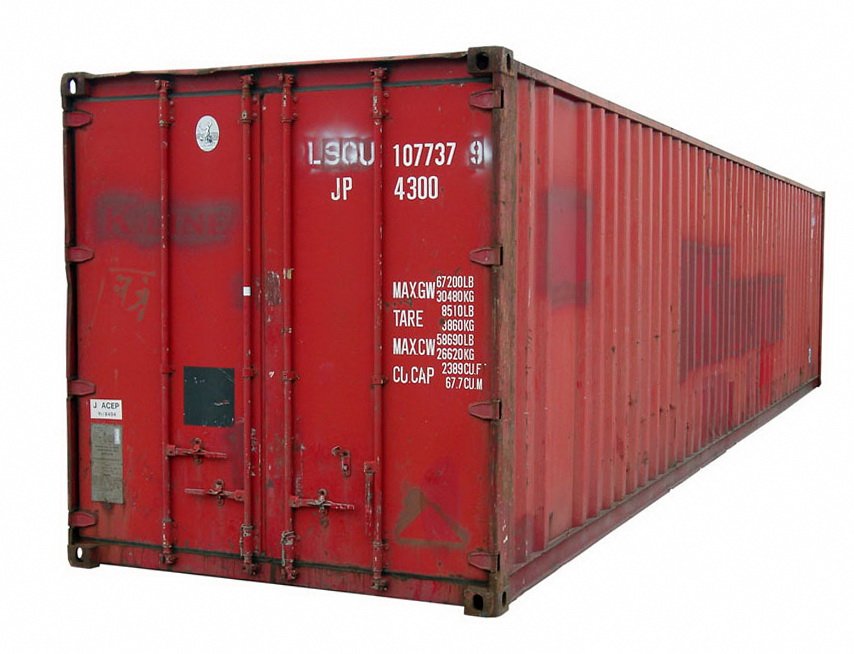
Image: Kcida10 Kcida10 ( talk ) ( Uploads ). · CC0 · via Wikimedia Commons.